Meilleure Période pour Visiter Italy en 2026
Guide Mois par Mois 2026 — Météo, Affluence, Prix & Événements
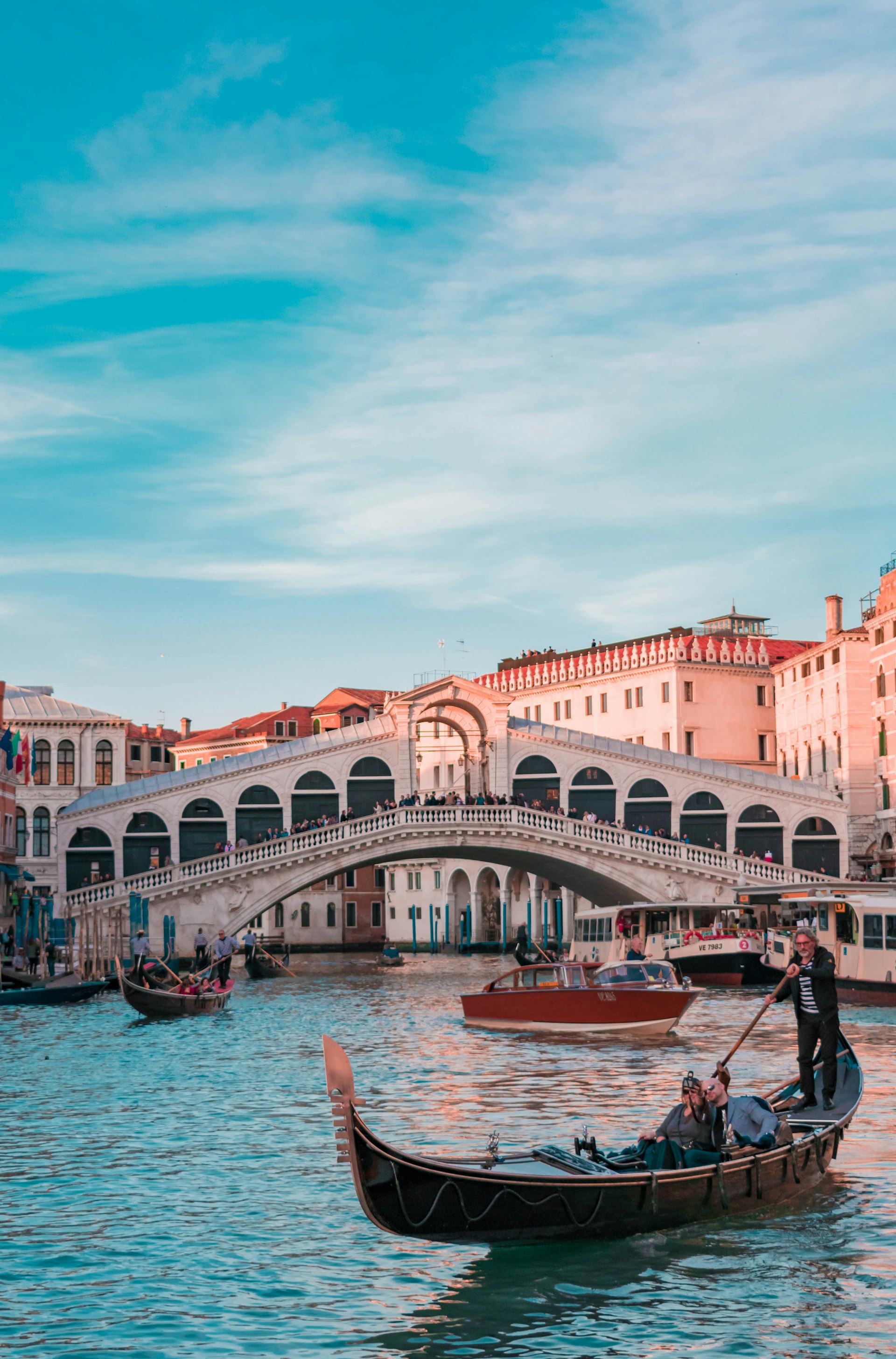
Italy is the country that invented civilization and has been perfecting it ever since. Rome's Colosseum, Venice's canals, Florence's Renaissance treasures, the Amalfi Coast's cliffside villages — any single one of these would anchor another country's entire tourism industry. Italy has them all, plus arguably the greatest food culture in the world and a people who treat the daily act of eating as a sacred ritual. The best time to visit Italy is spring (April–May) or early autumn (September–October): mild temperatures, reasonable crowds, and produce at its seasonal peak. Summer in July–August means suffocating heat in Rome and Florence, while the lakes and Dolomites offer cool mountain relief. The north (Milan, the lakes, Cinque Terre) has a completely different feel from the sun-bleached south (Sicily, Puglia, Matera), which is wilder, cheaper, and far less visited. Italy rewards slow travel — the traveler who spends three days in a single hill town eating lunch for two hours wins over the one ticking off galleries on a schedule. Whether you're a first-timer in awe of the Sistine Chapel or a tenth-timer who knows which bar in Naples has the city's best sfogliatella, Italy never runs dry.
🗺️ Italy Informations Pratiques
📊 Aperçu Mensuel
Chaque barre = score global combinant météo, affluence, prix & événements. Mois actuel mis en évidence.
⛅ Météo Actuelle in Rome
📅 Analyse Mensuelle Détaillée
Les 12 mois — cliquez sur un mois pour développer. Meilleurs mois: Avril, Mai, Juin, Septembre, Octobre
Pourquoi Avril?
April is one of Italy's finest months — temperatures are perfect for walking (18–20°C in Rome), Tuscany's rolling hills are carpeted with wildflowers and bright green wheat fields, and the Infiorata festivals in hill towns like Spello turn cobblestone streets into elaborate petal carpets. The Amalfi Coast is fully open and blissfully uncrowded. Liberation Day (April 25th) brings street celebrations across northern cities. Easter week, when it falls in April, is Italy's most atmospheric religious festival, with candlelit processions and packed basilicas.
Inconvénients
Easter week very busy. Rain still possible.
🎉 Événements
- Easter (sometimes)
- Liberation Day (Apr 25)
- Spring in full bloom
Aperçu des Prix
Notre Avis
✅ April is outstanding — one of Italy's top two or three months. Perfect temperatures, wildflowers everywhere, and the tourist masses haven't yet arrived. Book accommodation well in advance if Easter falls in April; otherwise, availability is good.
🎯 Best Time to Visit Italy
The best time to visit Italy is in late spring (May–June) or early autumn (September–October), when the combination of warm weather, manageable crowds, and genuine Italian life — locals at the same restaurants, markets, and piazzas as tourists — makes the country feel like it was designed specifically for you. May is a particular highlight: wildflowers on the Amalfi Coast, truffle season in Umbria, and Venice before the summer heat makes the canals pungent. June is the final month before the full-summer crush descends. The best time to visit Italy for culture enthusiasts is October — harvest season in Tuscany and Piedmont, fewer queues at the Uffizi and the Vatican, and hotel prices 30–40% below August peaks. Avoid July and August if heat, crowds, and inflated prices are concerns: coastal resorts like the Amalfi Coast and Cinque Terre are genuinely overrun, temperatures in Rome and Florence regularly hit 35°C+, and Italians themselves flee to the beach. For families, late June works well before schools break up fully. Couples get the most romantic experience in September in Tuscany, when the grape harvest is underway and evenings are warm enough for alfresco dining. Budget travelers should target November through March for dramatically reduced prices, though some coastal towns close entirely.
💰 Budget Guide: Italy
Italy spans a wide range of travel budgets. Budget travelers in Rome, Florence, or Naples can manage on $80–100/day: budget hotels and B&Bs ($40–60/night), pizza al taglio and supplì ($3–5), and free access to Rome's piazzas, fountains, and outdoor monuments. Mid-range travelers at $150–200/day get boutique hotels in historic centres, daily restaurant meals, and entrance to the major paid sites (Colosseum, Uffizi, Pompeii). Luxury travelers should budget $350–600+/day for five-star properties on the Amalfi Coast, private Vatican tours, and Michelin-starred dining in Modena or Alba. The cheapest months to travel are November–February, with major discounts on accommodation throughout the country. Money-saving tips: (1) Book the major museums (Colosseum, Uffizi, Vatican) weeks in advance — queues for walk-ins are brutal. (2) Stand at the bar for espresso ($1.50) rather than sitting — seated service costs 3–4× more. (3) Eat lunch at a menù del giorno (fixed-price lunch menu) for $12–18, including wine. Currency is Euro (EUR); cards accepted widely.
✈️ Getting to Italy
Rome Leonardo da Vinci–Fiumicino Airport (FCO) and Milan Malpensa (MXP) handle major long-haul arrivals. Direct flights from NYC to Rome (~9h, $450-800), London to Rome (~2.5h, £60-200). From FCO to central Rome: Leonardo Express train ~32min/€14, or taxi €50 fixed rate. Milan Malpensa to city center: Malpensa Express ~50min/€13. Trenitalia and Italo high-speed trains connect major Italian cities (Rome-Florence ~1.5h, €25-60). Book 2-3 months ahead. May and October offer the best combination of good weather and lower prices.
✈️ Prix des Vols Italy
Prix moyens aller-retour. Mis à jour chaque semaine.
💡 Mois les moins chers : Fév & Jan. Réservez 6-8 semaines à l'avance pour les meilleurs prix.
🏨 Où Séjourner Italy
Meilleurs quartiers avec prix moyens par nuit.
⚠️ Conseils de Voyage Essentiels Italy
Train Travel
Italy's high-speed trains (Frecciarossa) connect Rome–Florence in 1.5h, Rome–Naples in 1h. Book 2-3 weeks ahead for €19 tickets.
Eat Like a Local
Avoid restaurants with picture menus near tourist sites. Walk 2 blocks away and prices drop 50%. Lunch (pranzo) is often cheaper than dinner.
Book Museums Ahead
Vatican Museums, Uffizi, and Colosseum sell out. Book timed-entry tickets 2-4 weeks ahead online.
EHIC/Travel Insurance
EU citizens: bring your EHIC card. Others: get travel insurance. Italian ER is free for emergencies but follow-up care isn't.
🛡️ Assurance Voyage Recommandée
EU citizens: bring your EHIC card. Others: get travel insurance. Italian ER is free for emergencies but follow-up care isn't.
📚 Lectures Associées
❓ Frequently Asked Questions about Visiting Italy
What is the best month to visit Italy?
The best months to visit Italy are Avril, Mai, Juin, Septembre, Octobre. Italy is best in spring (April-June) and early autumn (September-October) — warm weather, manageable crowds, and better prices. July-August is brutally hot and packed with tourists. Winter is quiet and cheapest, ideal for cities.
What is the cheapest time to fly to Italy?
The cheapest month to fly to Italy is Février, with average round-trip flights from $410. If Venice Carnival aligns with your dates, February becomes one of Italy's most thrilling months — it's genuinely unlike anything else in Europe. Outside Carnival, it's a solid budget month for art-city exploration, though pack layers and expect occasional rain.
How crowded is Italy in Mai?
Italy in Mai has medium tourist levels (score: 10/10). May is the single best month to visit Italy — full stop. Warm, sunny, uncrowded by summer standards, affordable by summer prices, and every corner of the country is open and operating at its peak. Book as early as possible; the secret is out.
What is the weather like in Italy in Avril?
In Avril, Italy has highs of 19°C and lows of 9°C with approximately 7 rainy days. April is one of Italy's finest months — temperatures are perfect for walking (18–20°C in Rome), Tuscany's rolling hills are carpeted with wildflowers and bright green wheat fields, and the Infiorata festivals in hill towns like Spello turn cobblestone streets into elaborate petal carpets. The Amalfi Coast is fully open and blissfully uncrowded. Liberation Day (April 25th) brings street celebrations across northern cities. Easter week, when it falls in April, is Italy's most atmospheric religious festival, with candlelit processions and packed basilicas.
Is Italy worth visiting in Avril?
Italy in Avril scores 9/10. April is outstanding — one of Italy's top two or three months. Perfect temperatures, wildflowers everywhere, and the tourist masses haven't yet arrived. Book accommodation well in advance if Easter falls in April; otherwise, availability is good.