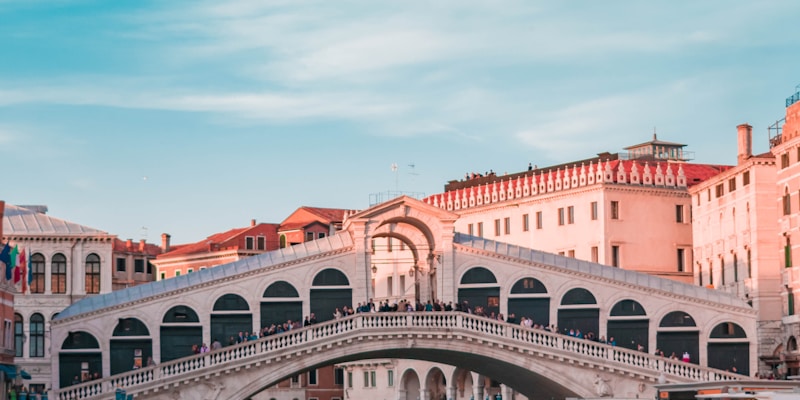
Italy’s diverse geography means timing varies dramatically by region and purpose. Summer brings Mediterranean sunshine but also crushing crowds and heat. Winter offers empty museums and low prices but closed coastal towns. This guide breaks down the best time to visit Italy based on your priorities and destinations.
Italy’s Climate Overview
Italy stretches 1,200km from the Alps to North Africa, creating three distinct climate zones:
- Northern Italy (Milan, Venice, Lakes): Continental climate, cold winters, hot summers
- Central Italy (Florence, Rome, Tuscany): Mediterranean, mild winters, hot dry summers
- Southern Italy (Naples, Sicily, Puglia): Hot Mediterranean, mild winters, scorching summers
Month-by-Month Breakdown
January - February: Winter Low Season
Weather:
- North: 0-8°C (32-46°F), fog, occasional snow
- Central: 8-14°C (46-57°F), rainy
- South: 12-16°C (54-61°F), mild
Pros:
- Lowest prices (50-70% off peak)
- Empty museums and attractions
- Authentic local experience
- Ski season in the Alps and Dolomites
- Carnival in Venice (February)
Cons:
- Many coastal hotels/restaurants closed
- Short daylight hours (8-9 hours)
- Cold and damp in cities
- Some attractions have reduced hours
Best for: Budget travelers, museum lovers, skiers, avoiding crowds
Regional tips:
- Rome/Florence: Perfect for museums, 15-20 min wait vs 2+ hours in summer
- Venice: Carnival (late Feb) is magical but book 6+ months ahead
- Amalfi Coast: Most hotels closed, skip it
- Sicily: Mild and pleasant, great for hiking
March - April: Spring Awakening
Weather:
- North: 10-18°C (50-64°F), rainy
- Central: 14-20°C (57-68°F), pleasant
- South: 16-22°C (61-72°F), warm
Pros:
- Wildflowers blooming
- Easter celebrations (varies, usually March/April)
- Moderate crowds
- 30-40% lower prices than summer
- Longer days (11-13 hours)
Cons:
- Unpredictable weather, pack layers
- Easter week gets crowded and expensive
- Still too cold for beach
Best for: First-time visitors, photographers, cultural travelers
Regional tips:
- Tuscany: Gorgeous countryside, perfect for driving tours
- Rome: Easter week is spectacular but book early
- Cinque Terre: Opens mid-March, trails can be muddy
- Sicily: Almond blossoms in February-March
May - June: Peak Spring (Best Overall)
Weather:
- North: 18-26°C (64-79°F), occasional rain
- Central: 20-28°C (68-82°F), mostly sunny
- South: 22-30°C (72-86°F), hot
Pros:
- Best weather-to-crowd ratio
- Everything is open
- Long daylight (14-15 hours in June)
- Beach season starts
- Outdoor dining perfect
- Festivals and events
Cons:
- Prices rising (20-40% above winter)
- June weekends getting crowded
- Book 2-3 months ahead
Best for: Everyone — this is Italy’s sweet spot
Regional tips:
- Amalfi Coast: Perfect before July heat
- Venice: Biennale art festival (May-Nov, odd years)
- Lakes (Como, Garda): Ideal weather, gardens in bloom
- Puglia: Warm enough for beach, not scorching yet
July - August: Peak Summer
Weather:
- North: 25-32°C (77-90°F), humid
- Central: 28-35°C (82-95°F), very hot
- South: 30-38°C (86-100°F), scorching
Pros:
- Guaranteed sunshine (95%+ clear days)
- Beach season in full swing
- Outdoor festivals and concerts
- Long days (15 hours)
Cons:
- Highest prices (100%+ premium)
- Crushing crowds at major sites
- Unbearable heat in cities (35°C+)
- Italians on vacation (August = Ferragosto)
- Many local businesses closed in August
- Air conditioning not universal
Best for: Beach lovers, those with no flexibility
Regional tips:
- Rome/Florence: Avoid if possible, 35°C+ and packed
- Amalfi Coast: Beautiful but insanely crowded
- Dolomites: Perfect escape from heat, hiking season
- Sicily: Too hot for most (38°C+), go to beaches only
August 15 (Ferragosto): National holiday, everything closes, beaches packed, avoid cities
September - October: Golden Autumn
Weather:
- North: 18-24°C (64-75°F), pleasant
- Central: 20-26°C (68-79°F), warm
- South: 22-28°C (72-82°F), still warm
Pros:
- Best weather of the year (warm, dry, stable)
- Crowds thinning after mid-September
- Harvest season (wine, truffles, olives)
- Sea still warm for swimming (through October)
- Prices drop 30-40% after September 15
- Food festivals everywhere
Cons:
- Early September still crowded
- October can be rainy
- Days getting shorter (11-12 hours)
Best for: Food/wine lovers, second-time visitors, avoiding crowds
Regional tips:
- Tuscany: Grape harvest, truffle season, stunning
- Piedmont: White truffle season (October-November)
- Amalfi Coast: Still warm, much less crowded
- Sicily: Perfect weather, summer heat gone
November - December: Winter Prelude
Weather:
- North: 5-12°C (41-54°F), foggy, rainy
- Central: 10-16°C (50-61°F), rainy
- South: 14-18°C (57-64°F), mild
Pros:
- Christmas markets (December)
- Low prices (40-60% off peak)
- Empty attractions
- Truffle season continues
- Festive atmosphere in December
Cons:
- Short days (9-10 hours)
- Rainy and gray
- Many coastal areas closed
- Cold in northern cities
Best for: Christmas market lovers, budget travelers, museum enthusiasts
Regional tips:
- Rome: Mild and pleasant, great for sightseeing
- Venice: Acqua alta (flooding) possible, magical in fog
- Florence: Christmas markets, fewer tourists
- South: Still mild, but many hotels closed
Regional Timing Strategies
Rome & Vatican
Best: April-May, September-October Avoid: July-August (35°C+, 2+ hour lines)
Tips:
- Book Vatican tickets 2-3 months ahead
- Visit Colosseum at opening (8:30 AM) or late afternoon
- January-February: 15-min museum waits vs 2+ hours in summer
Florence & Tuscany
Best: May, September-October (harvest season) Avoid: July-August (heat + crowds)
Tips:
- Uffizi Gallery: Book timed entry weeks ahead
- Tuscany countryside: May (wildflowers) or September-October (harvest)
- Wine tours: September-October for grape harvest
Venice
Best: April-May, September-October Avoid: July-August (heat, smell, crowds), November (flooding)
Tips:
- Carnival (February): Book 6+ months ahead, expect crowds
- Acqua alta (flooding): October-December, check forecasts
- Summer: Visit early morning or evening only
Amalfi Coast & Capri
Best: May-June, September Avoid: July-August (packed), November-March (closed)
Tips:
- Many hotels close November-March
- Ferragosto (August 15): Avoid at all costs
- Shoulder season: Best weather-to-crowd ratio
Cinque Terre
Best: May, September-October Avoid: July-August (trails packed), November-March (trails closed)
Tips:
- Trails close in winter due to landslides
- Summer: Hike early morning (6-8 AM) only
- October: Grape harvest, stunning colors
Italian Lakes (Como, Garda, Maggiore)
Best: May-June, September Avoid: July-August (crowded), November-March (cold, many hotels closed)
Tips:
- Gardens in full bloom: May-June
- Water warm enough for swimming: June-September
- George Clooney spotting: Lake Como, any time
Sicily
Best: April-May, September-October Avoid: July-August (38°C+)
Tips:
- Almond blossoms: February-March
- Beach season: May-October
- Summer: Coastal areas only, avoid inland cities
Dolomites
Best: June-September (hiking), December-March (skiing) Avoid: April-May, October-November (shoulder season, many lifts closed)
Tips:
- Hiking season: Late June-September
- Ski season: December-March
- Wildflowers: July
Budget Optimization
Cheapest Times
- January-February (excluding Carnival): 50-70% off peak
- November: 40-60% off
- March (excluding Easter): 30-40% off
Most Expensive
- August: Peak prices + Ferragosto surcharge
- Easter week: 50-100% premium
- Christmas/New Year: 40-80% premium
- Venice Carnival: 100%+ premium
Money-Saving Tips
- Book 3-6 months ahead for peak season
- Stay outside city centers (use trains)
- Visit in shoulder season (April-May, September-October)
- Avoid August (Italians on vacation = higher prices)
- Eat where locals eat (avoid tourist traps near attractions)
Activity-Specific Timing
Art & Museums
Best: November-March (empty museums, short lines) Avoid: July-August (2+ hour waits)
Tips:
- Book timed entry for Uffizi, Vatican, Borghese
- Winter: Walk right into most museums
- Summer: Visit at opening or late afternoon
Food & Wine
Best: September-October (harvest season) Also good: May-June (spring produce), November (truffle season)
Tips:
- Truffle season: October-December (Piedmont, Tuscany)
- Grape harvest: September-October
- Olive harvest: November-December
Hiking & Outdoors
Best: May-June, September-October Avoid: July-August (too hot), November-March (trails closed)
Tips:
- Cinque Terre: May or September (trails open, not packed)
- Dolomites: July-September (wildflowers, all lifts open)
- Tuscany: April-May (wildflowers), September-October (harvest)
Beach & Swimming
Best: June-September Also good: May, October (warm but not hot)
Tips:
- Sea temperature: 20°C+ from June-October
- Avoid August 1-20 (Italians on vacation)
- Best beaches: Puglia, Sardinia, Sicily
Festival Calendar
Major Events
- Carnival (Venice): February (2 weeks before Lent)
- Easter: March/April (varies)
- Palio (Siena): July 2, August 16
- Venice Film Festival: Late August-early September
- Truffle Festival (Alba): October-November
- Christmas Markets: December
Final Recommendations
Best overall time: May or September
- Excellent weather (20-28°C)
- Moderate crowds
- Everything open
- 20-40% lower prices than peak
- Long daylight hours
Best for budget: January-February
- 50-70% savings
- Empty museums
- Authentic experience
- Cold but manageable
Best for avoiding crowds: November-March
- Walk right into attractions
- Local experience
- Low prices
- Cold and rainy but worth it
Best for guaranteed sunshine: June-August
- 95%+ clear days
- Beach season
- Long days
- Book 4-6 months ahead
Best for food/wine: September-October
- Harvest season
- Food festivals
- Perfect weather
- Moderate crowds
Booking Timeline
- Peak season (June-August): Book 4-6 months ahead
- Shoulder season (April-May, September-October): Book 2-3 months ahead
- Low season (November-March): Book 2-4 weeks ahead
- Easter, Carnival, Christmas: Book 6+ months ahead
Bottom Line
Italy rewards strategic timing. If you can only visit in summer, focus on mountains (Dolomites) or less-touristy regions (Puglia, Basilicata). If you have flexibility, May or September offer the best combination of weather, crowds, and prices.
The “worst” time (January-February) can actually be magical if you embrace empty museums, local life, and lower prices. Just avoid coastal areas and pack warm layers.
Whatever you choose, book accommodations and major attractions well in advance — Italy is popular year-round, and the best options fill up fast.