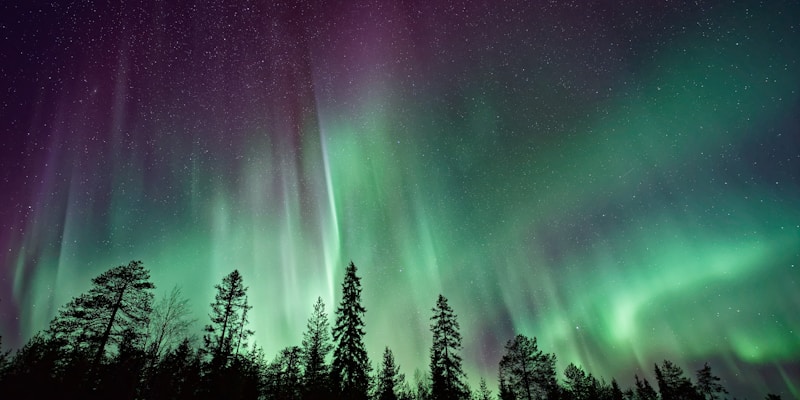
The Northern Lights (aurora borealis) are Iceland’s most sought-after natural phenomenon — and one of the most unpredictable. Success requires understanding solar activity, weather patterns, light pollution, and having realistic expectations. This guide covers everything you need to maximize your chances of seeing the aurora in Iceland.
When to See Northern Lights in Iceland
Aurora Season: September to April
Best months: September-October, February-March Why: Longer nights, better weather than deep winter, still dark enough
Peak darkness: November-January Why: Longest nights (18+ hours of darkness) Downside: Worst weather, frequent storms, limited daylight for other activities
Shoulder months: April, August Why: Still possible but short darkness windows Downside: Low probability, need very strong aurora
Monthly Breakdown
September:
- Darkness: 10 PM - 6 AM
- Weather: Mild, relatively clear
- Verdict: Excellent choice, still warm enough for camping
October:
- Darkness: 8 PM - 7 AM
- Weather: Getting colder, more storms
- Verdict: Great balance of darkness and weather
November-January:
- Darkness: 4 PM - 10 AM
- Weather: Frequent storms, heavy cloud cover
- Verdict: Most darkness but worst weather — trade-off
February-March:
- Darkness: 7 PM - 7 AM
- Weather: Improving, still cold
- Verdict: Best overall — good darkness, better weather, daylight for activities
April:
- Darkness: 11 PM - 4 AM
- Weather: Spring conditions
- Verdict: Possible but short window
Understanding Aurora Forecasts
KP Index (0-9 scale)
- KP 0-2: Weak, visible only in far north
- KP 3-4: Moderate, visible across Iceland
- KP 5-6: Strong, visible even with some light pollution
- KP 7-9: Extreme, rare but spectacular
Reality check: Most nights in Iceland are KP 1-3. KP 4+ is considered good luck.
Cloud Cover
More important than KP index. A KP 6 aurora behind clouds = nothing. A KP 2 aurora under clear skies = visible.
Check: Icelandic Met Office (vedur.is) for cloud cover forecasts
Moon Phase
- New moon: Darkest skies, best for photography
- Full moon: Brighter skies, still visible but less dramatic
- Verdict: Don’t plan around moon phase — weather matters more
Best Locations
Near Reykjavik (Easy Access)
Grótta Lighthouse
- Distance: 15 min from downtown
- Light pollution: Moderate
- Accessibility: Easy, paved path
- Best for: Last-minute checks, limited time
Þingvellir National Park
- Distance: 45 min from Reykjavik
- Light pollution: Low
- Accessibility: Easy, parking lots
- Best for: Combining with Golden Circle tour
South Coast (Best Infrastructure)
Vík
- Distance: 2.5 hours from Reykjavik
- Light pollution: Very low
- Foreground: Black sand beach, sea stacks
- Best for: Photography, dramatic landscapes
Jökulsárlón Glacier Lagoon
- Distance: 5 hours from Reykjavik
- Light pollution: Minimal
- Foreground: Icebergs, glaciers
- Best for: Iconic shots, multi-day trips
North Iceland (Highest Success Rate)
Mývatn Area
- Distance: 6 hours from Reykjavik (or fly to Akureyri)
- Light pollution: Minimal
- Foreground: Volcanic landscapes, hot springs
- Best for: Serious aurora hunters, longer trips
Akureyri Region
- Distance: 5 hours drive or 45 min flight
- Light pollution: Low outside town
- Accessibility: Good infrastructure
- Best for: Base for north Iceland exploration
Westfjords (Most Remote)
Ísafjörður Area
- Distance: 6+ hours or fly
- Light pollution: Minimal
- Accessibility: Challenging winter roads
- Best for: Adventure seekers, photographers
Tour vs Self-Drive
Guided Tours
Pros:
- Guides know best spots and check forecasts
- Transportation included
- No driving in dark/icy conditions
- Backup dates if weather fails
Cons:
- €60-120 per person
- Fixed schedule (usually 9 PM - 1 AM)
- Crowded viewing spots
- Can’t stay longer if aurora appears
Best for: First-timers, non-drivers, short trips
Self-Drive
Pros:
- Flexibility to chase clear skies
- Can stay as long as you want
- Choose your own locations
- Better for photography
Cons:
- Winter driving is challenging
- Need to monitor forecasts yourself
- Rental car costs
- Risk of getting stuck
Best for: Experienced travelers, photographers, longer trips
Winter driving reality: Icy roads, sudden storms, limited daylight. Rent a 4WD, get full insurance, check road conditions (road.is) constantly.
Photography Tips
Camera Settings (Starting Point)
- ISO: 1600-3200
- Aperture: f/2.8 or wider
- Shutter speed: 5-15 seconds
- Focus: Manual, set to infinity
Adjust based on aurora strength: Brighter aurora = lower ISO, faster shutter
Essential Gear
- Wide-angle lens: 14-24mm ideal
- Sturdy tripod: Wind is constant
- Spare batteries: Cold drains them fast
- Headlamp with red light: Preserve night vision
- Remote shutter: Avoid camera shake
Composition
- Foreground interest: Church, mountain, waterfall
- Rule of thirds: Aurora in top 2/3, landscape in bottom 1/3
- Leading lines: Roads, rivers, fences
- Reflections: Lakes, ocean (if calm)
Common Mistakes
- Autofocus: Will hunt forever in darkness
- Image stabilization on: Causes blur on tripod
- Too long exposure: Aurora moves, creates blur
- Forgetting to check focus: Test shots essential
Realistic Expectations
Probability of Seeing Aurora
3-night trip: 50-60% chance of at least one sighting 7-night trip: 80-90% chance Single night: 20-30% chance
Variables: Season, weather, solar activity, your flexibility
What It Actually Looks Like
Camera vs Eye: Cameras capture more color and detail than human eyes. What looks like faint green glow to you will be vivid green in photos.
Movement: Can be static glow or dancing curtains. Strong displays move rapidly.
Colors:
- Green: Most common (oxygen at lower altitude)
- Pink/red: Rare (oxygen at higher altitude)
- Purple/blue: Very rare (nitrogen)
Duration: Can last 5 minutes or 5 hours. Average display: 30-90 minutes.
What to Wear
Layering System
- Base layer: Merino wool or synthetic
- Mid layer: Fleece or down
- Outer layer: Waterproof, windproof shell
- Bonus: Down jacket over everything
Extremities
- Hat: Wool or fleece, covers ears
- Gloves: Insulated, waterproof, with liners for camera work
- Boots: Waterproof, insulated, good traction
- Hand warmers: Essential for long waits
Temperature reality: Standing still at night in Iceland = -5 to -15°C (23-5°F) with wind chill. You’ll be colder than you think.
Backup Activities
If Aurora Doesn’t Appear
Daytime alternatives:
- Golden Circle (Þingvellir, Geysir, Gullfoss)
- South Coast waterfalls (Seljalandsfoss, Skógafoss)
- Glacier hiking
- Ice caves (winter only)
- Blue Lagoon
Evening alternatives:
- Reykjavik nightlife
- Hot springs (Mývatn Nature Baths, Secret Lagoon)
- Northern Lights Center (Reykjavik) — learn the science
Mindset: Come for Iceland, not just the aurora. The lights are a bonus, not the only reason to visit.
Budget Breakdown
Tours
- Basic bus tour: €60-80
- Small group tour: €100-150
- Private tour: €400-800
- Multi-day aurora hunt: €500-1500
Self-Drive
- Rental car (4WD): €80-150/day
- Fuel: €50-100/day (winter, heater running)
- Accommodation: €80-200/night
- Food: €50-100/day
Photography Gear (if buying)
- Wide-angle lens: €400-1500
- Tripod: €50-200
- Remote shutter: €20-50
Common Questions
Can I see aurora from Reykjavik? Yes, but light pollution reduces visibility. Need KP 3+ and clear skies. Better to drive 30+ minutes out.
Do I need a tour? No, but helpful for first-timers. Self-drive gives more flexibility but requires confidence in winter driving.
What if it’s cloudy every night? Happens. Iceland weather is unpredictable. Book 5-7 nights to improve odds.
Can I see aurora in summer? No. Too much daylight. Season is September-April only.
Is it worth visiting Iceland just for aurora? Only if you have 5+ nights and accept the risk. Come for Iceland’s landscapes, hope for aurora as bonus.
Final Advice
Seeing the Northern Lights in Iceland requires patience, flexibility, and luck. The aurora doesn’t care about your schedule.
Maximize your chances:
- Visit September-October or February-March
- Stay 5-7 nights minimum
- Be willing to drive or take tours
- Check forecasts obsessively
- Accept that you might not see them
If you see them: Put the camera down for a few minutes. Watch with your eyes. The photos will never capture the feeling of standing under dancing green curtains in the Icelandic darkness.
Related: Best Time to Visit Iceland | Where to Go in February