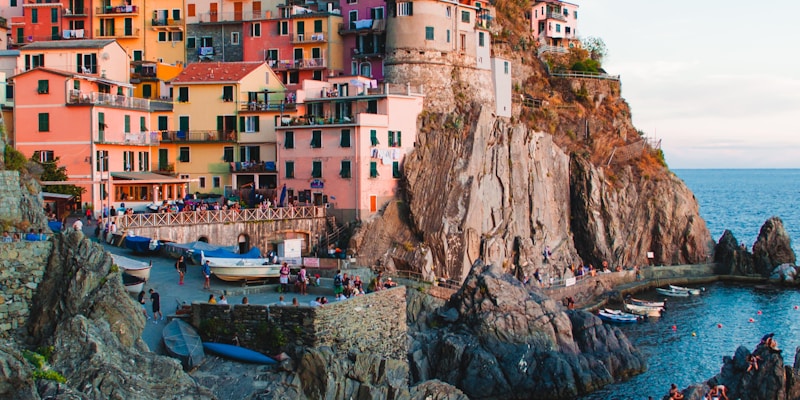
Croatia’s stunning Adriatic coastline offers crystal-clear waters, medieval towns, and over 1,000 islands. Summer brings perfect beach weather but Game of Thrones crowds in Dubrovnik. Shoulder seasons offer the best value and weather. This guide breaks down the best time to visit Croatia based on your priorities.
Croatia’s Climate Overview
Croatia has a Mediterranean climate along the coast and continental inland:
- Dalmatian Coast (Dubrovnik, Split, Zadar): Hot dry summers, mild winters
- Istria (Pula, Rovinj): Similar to Italy, mild year-round
- Islands (Hvar, Korčula, Brač): Hot summers, mild winters, less rain than coast
- Zagreb & Interior: Continental climate, cold winters, hot summers
- Plitvice Lakes: Mountain climate, snow in winter
Month-by-Month Breakdown
January - February: Winter Low Season
Weather:
- Coast: 8-12°C (46-54°F), mild, rainy
- Islands: 9-13°C (48-55°F), windy
- Zagreb: 0-5°C (32-41°F), cold, snow possible
- Plitvice: -5 to 5°C (23-41°F), snow
Pros:
- Lowest prices (50-70% off peak)
- Empty Dubrovnik (no cruise ships)
- Authentic local experience
- Mild compared to northern Europe
- Plitvice frozen waterfalls (magical)
Cons:
- Many hotels and restaurants closed
- Ferry schedules reduced
- Cold for beach
- Short days (9-10 hours)
- Rainy on coast
Best for: Budget travelers, avoiding crowds, winter photography
Regional tips:
- Dubrovnik: Empty Old Town, no crowds
- Split: Mild but quiet, many places closed
- Islands: Most hotels closed, limited ferries
- Plitvice: Stunning with snow and ice
March - April: Spring Awakening
Weather:
- Coast: 12-18°C (54-64°F), improving
- Islands: 13-19°C (55-66°F), pleasant
- Zagreb: 8-16°C (46-61°F), cool
- Plitvice: 5-15°C (41-59°F), melting
Pros:
- Wildflowers blooming
- Easter celebrations
- Moderate crowds
- 30-40% lower prices than summer
- Longer days (12-13 hours)
- Hotels reopening
Cons:
- Still cool for swimming
- Unpredictable weather
- Some islands still quiet
- Easter week gets crowded
Best for: Cultural travelers, photographers, budget-conscious visitors
Regional tips:
- Dubrovnik: Perfect for walking tours, no crowds
- Split: Diocletian’s Palace without crowds
- Istria: Truffle season (March-April)
- Plitvice: Waterfalls at full flow
May - June: Peak Spring (Best Overall)
Weather:
- Coast: 18-26°C (64-79°F), perfect
- Islands: 19-27°C (66-81°F), warm
- Zagreb: 15-24°C (59-75°F), pleasant
- Plitvice: 12-22°C (54-72°F), ideal
Pros:
- Best weather-to-crowd ratio
- Everything open
- Long daylight (14-15 hours in June)
- Sea warming up (20-22°C in June)
- Festivals starting
- Perfect for island hopping
Cons:
- Prices rising (20-40% above winter)
- June weekends getting crowded
- Book 2-3 months ahead
Best for: Everyone — Croatia’s sweet spot
Regional tips:
- Dubrovnik: Perfect before cruise ship madness
- Hvar: Lavender fields blooming (June)
- Split: Ideal weather, manageable crowds
- Plitvice: Best time (waterfalls, no crowds)
July - August: Peak Summer
Weather:
- Coast: 25-32°C (77-90°F), hot
- Islands: 26-33°C (79-91°F), very hot
- Zagreb: 20-30°C (68-86°F), hot
- Plitvice: 18-28°C (64-82°F), warm
Pros:
- Guaranteed sunshine (95%+ clear days)
- Beach season in full swing
- Warm sea (24-26°C)
- Festivals and concerts
- Long days (15 hours)
- All ferries running
Cons:
- Highest prices (100%+ premium)
- Crushing crowds (especially Dubrovnik)
- 3-5 cruise ships daily in Dubrovnik
- Unbearable heat on pavement
- Book 6+ months ahead
- Traffic jams on coastal road
Best for: Beach lovers, island hoppers, those with no flexibility
Regional tips:
- Dubrovnik: Avoid if possible (10,000+ cruise passengers daily)
- Hvar: Party island, very crowded
- Split: Packed but manageable
- Korčula: Less crowded alternative
August: Peak crowds, highest prices, but guaranteed perfect weather
September - October: Golden Autumn
Weather:
- Coast: 20-26°C (68-79°F), warm
- Islands: 21-27°C (70-81°F), perfect
- Zagreb: 14-22°C (57-72°F), pleasant
- Plitvice: 12-20°C (54-68°F), cool
Pros:
- Best weather of the year (warm, stable)
- Crowds thinning after mid-September
- Sea still warm (22-24°C through October)
- Prices drop 40-50% after September 15
- Fewer cruise ships
- Perfect for everything
Cons:
- Early September still crowded
- October can be rainy
- Days getting shorter (11-12 hours)
- Some ferries reduce schedule
Best for: Best overall value, avoiding crowds, beach + culture
Regional tips:
- Dubrovnik: Perfect weather, manageable crowds
- Islands: Still warm, much quieter
- Split: Ideal conditions
- Plitvice: Autumn colors (October)
November - December: Winter Prelude
Weather:
- Coast: 10-16°C (50-61°F), mild, rainy
- Islands: 11-17°C (52-63°F), windy
- Zagreb: 3-8°C (37-46°F), cold
- Plitvice: 0-8°C (32-46°F), cold
Pros:
- Low prices (50-70% off peak)
- Empty attractions
- Christmas markets (December)
- Mild on coast
- Authentic experience
Cons:
- Many hotels closed
- Reduced ferry schedules
- Short days (9-10 hours)
- Rainy
- Cold for beach
Best for: Budget travelers, Christmas market lovers, off-season explorers
Regional tips:
- Dubrovnik: Empty and atmospheric
- Zagreb: Christmas markets (December)
- Split: Mild but quiet
- Islands: Most hotels closed
Regional Timing Strategies
Dubrovnik
Best: May-June, September-October Avoid: July-August (3-5 cruise ships daily, 10,000+ passengers)
Tips:
- Cruise ship schedule: Check online, visit early morning or evening
- City walls: Visit at opening (8 AM) or late afternoon
- Summer: 10,000+ cruise passengers daily (avoid)
- Winter: Empty but magical, many restaurants closed
Split & Central Dalmatia
Best: May-June, September-October Also good: April, November (mild, quiet)
Tips:
- Diocletian’s Palace: Year-round attraction
- Beaches: June-September
- Ferries to islands: Frequent May-September
- Winter: Mild but many island hotels closed
Hvar & Islands
Best: June, September (warm, less crowded) Avoid: July-August (packed, expensive)
Tips:
- Hvar: Party island, very crowded in summer
- Korčula: Quieter alternative
- Brač: Zlatni Rat beach (June-September)
- Vis: Remote, less touristy
- Most hotels close November-March
Istria (Rovinj, Pula, Poreč)
Best: May-June, September-October Also good: April (truffle season)
Tips:
- Truffle season: March-April, October-November
- Roman amphitheater (Pula): Year-round
- Coastal towns: May-October
- Less crowded than Dalmatia
Plitvice Lakes National Park
Best: May-June (waterfalls at full flow, no crowds) Also good: September-October (autumn colors) Avoid: July-August (packed)
Tips:
- Best waterfalls: April-June (snowmelt)
- Autumn colors: October
- Winter: Frozen waterfalls (magical but cold)
- Summer: Arrive at opening (7 AM) to avoid crowds
Zagreb
Best: May-June, September-October Also good: December (Christmas markets)
Tips:
- Christmas markets: December (one of Europe’s best)
- Summer: Hot but pleasant
- Winter: Cold but festive
- Year-round city destination
Budget Optimization
Cheapest Times
- January-February: 50-70% off peak
- November: 50-60% off
- March-April: 30-40% off
Most Expensive
- July-August: Peak prices (100%+ premium)
- Late June, early September: 50-80% premium
- Easter week: 40-60% premium
Money-Saving Tips
- Visit in shoulder season (May, September-October)
- Stay in private apartments (cheaper than hotels)
- Eat at konobas (local taverns, not tourist traps)
- Book ferries in advance (cheaper online)
- Avoid Dubrovnik in cruise ship season
Activity-Specific Timing
Beach & Swimming
Best: June-September (warm sea, 22-26°C) Also good: May, October (warm but cooler water)
Tips:
- Sea temperature: 20-26°C (June-September)
- Zlatni Rat (Brač): Famous beach, June-September
- Pebble beaches: Bring water shoes
- Avoid: November-April (too cold)
Island Hopping
Best: June, September (warm, frequent ferries, fewer crowds) Avoid: July-August (packed ferries, expensive)
Tips:
- Ferry schedules: Most frequent June-September
- Book ferries in advance in summer
- Shoulder season: Reduced schedules but cheaper
- Winter: Very limited ferries
Sailing & Yachting
Best: May-June, September (perfect conditions, fewer crowds) Also good: July-August (guaranteed weather but crowded)
Tips:
- Charter season: April-October
- Best winds: May-June
- Crowded marinas: July-August
- Book 6+ months ahead for summer
Cultural Sites & History
Best: April-May, October-November (empty sites, mild weather) Avoid: July-August (crowds, heat)
Tips:
- Dubrovnik walls: Visit early morning or late afternoon
- Diocletian’s Palace: Year-round, but empty in winter
- Plitvice: Arrive at opening to avoid crowds
- Game of Thrones tours: Book ahead in summer
Festival Calendar
Major Events
- Carnival: February (Rijeka has Croatia’s biggest)
- Easter: March/April (religious celebrations)
- Dubrovnik Summer Festival: July-August (theater, music)
- Split Summer Festival: July-August
- Ultra Europe (Split): July (electronic music festival)
- Outlook Festival (Pula): September (bass music)
- Zagreb Advent: December (Christmas markets)
Final Recommendations
Best overall time: September
- Perfect weather (22-26°C)
- Warm sea (22-24°C)
- Crowds gone after September 15
- 40-50% lower prices than summer
- Everything still open
Best for budget: January-February
- 50-70% savings
- Empty Dubrovnik
- Mild coast (8-12°C)
- Authentic experience
Best for avoiding crowds: May or October
- Shoulder season
- 30-50% lower prices
- Good weather
- Fewer tourists
Best for guaranteed sunshine: July-August
- 95%+ clear days
- Warm sea (24-26°C)
- All ferries running
- Book 6+ months ahead
Best for island hopping: June or September
- Frequent ferries
- Warm weather
- Fewer crowds than peak
- Good value
Booking Timeline
- Peak season (July-August): Book 6-12 months ahead
- Shoulder season (May-June, September): Book 3-6 months ahead
- Low season (October-April): Book 2-4 weeks ahead
- Festivals (Ultra Europe, Dubrovnik Summer Festival): Book 6+ months ahead
Bottom Line
Croatia rewards strategic timing. Summer (July-August) offers guaranteed sunshine and warm seas, but Dubrovnik becomes unbearable with 10,000+ cruise passengers daily. The sweet spot is September — perfect weather, warm sea, and 40-50% lower prices after mid-month.
Key strategy: Avoid Dubrovnik in July-August unless you enjoy crowds. Visit in May-June or September-October for the best combination of weather, value, and manageable crowds.
If you’re on a tight budget, visit in winter (January-February) — you’ll get 50-70% savings, empty attractions, and mild coastal weather (8-12°C). Just be prepared for many hotels and restaurants being closed.
For island hopping, June or September are ideal — frequent ferries, warm weather, and fewer crowds than peak summer. Book ferries in advance during summer to avoid sold-out sailings.
Whatever you choose, Croatia is spectacular. Even the “worst” time (winter) has its charm — empty Dubrovnik without crowds is magical.